Good Enough…
Why a marriage becomes overgrown with weeds when no one tends it, the five pillars of a living relationship according to research, and how to bring back your first love through “the first works.”
Read →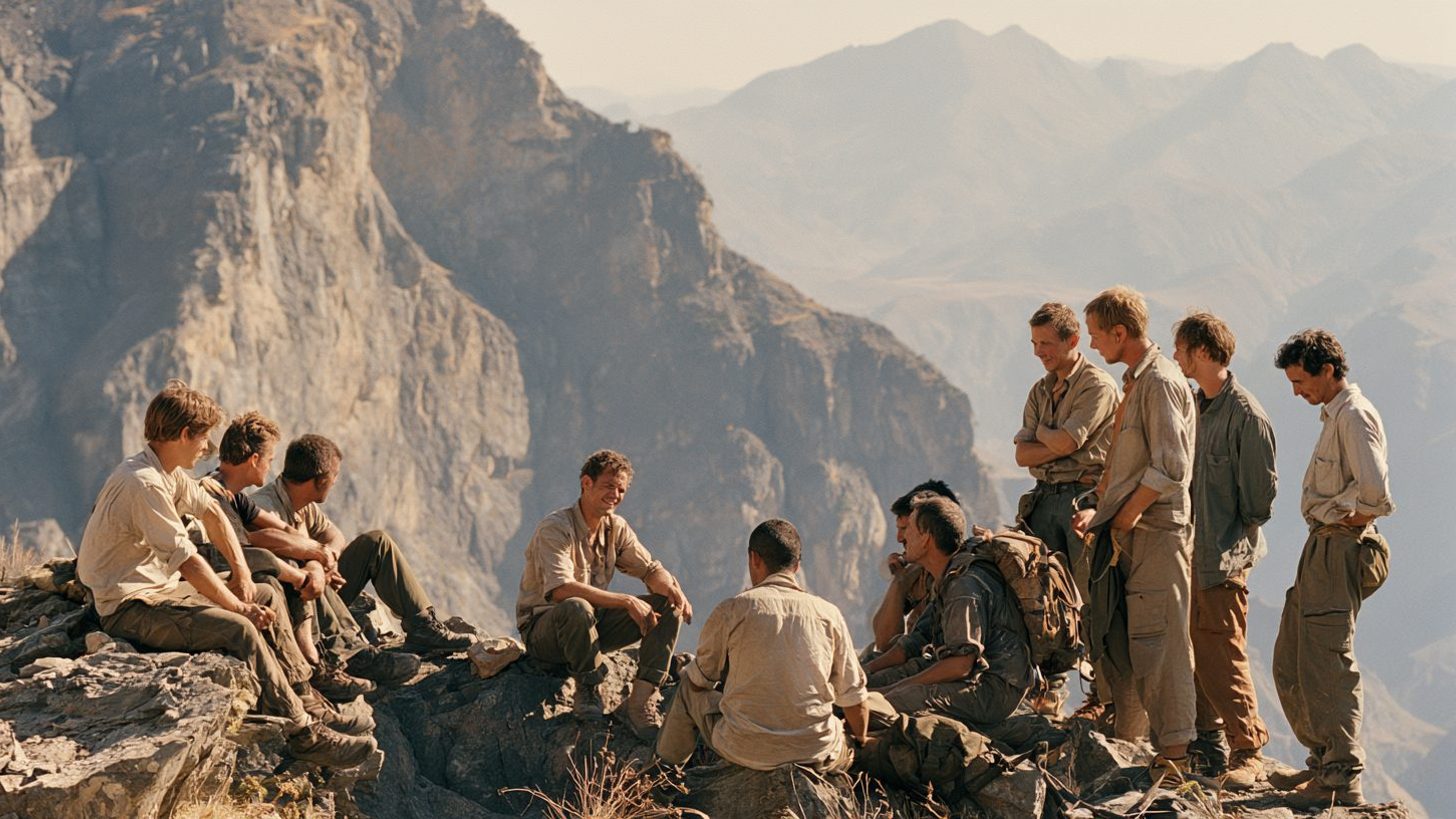
Adolescence is a period when the inner engine begins to run at high revs. This isn’t a system malfunction, but rather a phase of acceleration. Powerful processes are set in motion within a person: energy surges, the desire for novelty intensifies, and the need to feel alive, significant, and capable of influencing the world becomes more acute. Taking risks at this age is a natural effect — essential for growth.
Neuroscientists explain this by noting that the brain’s emotional and motivational centers have already kicked in, and at full capacity, while the systems responsible for assessing consequences and self-control are still being tuned. As a result, teenagers feel the pull of risk more strongly than they are able to calculate it. They aren’t looking for trouble — they’re testing the limits of their abilities.
Therefore, any attempt to completely eliminate risk from a teenager’s life is doomed to failure. If risk is forbidden, it does not disappear or diminish — it simply goes underground and beyond our control. It begins to show itself in hidden ways: dangerous company, secret experiments, a double life. Intimidation, excessive control, and constant prohibitions do not make a teenager cautious — they make him either cowardly or secretive.
Our task is to help risk take on an acceptable form and give it direction. Directed risk becomes a space for growth. It is through conscious risk-taking that courage, responsibility, independence, and self-confidence are formed. A teenager who has never taken a risk does not know how to make independent decisions.
This is precisely where the father plays a key role — not as someone who shields his child from everything, but as a mentor in dealing with risk. The father helps the teenager ask himself the right questions: “What can I lose?”, “What can I gain?”, “Am I ready for the consequences?”, “Does this risk make me stronger, or does it just give me an adrenaline rush?” These questions shape an inner evaluation mechanism that, over time, begins to work automatically.
It is important to emphasize: we do not shut the world off from the teenager. We teach him to live in a world where risk undoubtedly exists. We do not take away his courage — we unite courage with responsibility. We do not put out the fire; we teach him to control the flame.

Why a marriage becomes overgrown with weeds when no one tends it, the five pillars of a living relationship according to research, and how to bring back your first love through “the first works.”
Read →
Fatherhood news of the week: Serbia’s “parent-caregiver” status, a fathers’ program in Maryland, fathers’ forums in Poland, Pope Leo XIV’s address to fathers, and more.
Read →
Where faith begins according to Hebrews 11:6: the desire to please God, believing that He is, seeking Him constantly, and setting aside time to be with Him.
Read →